Blyth’s ‘Zero Bills’ Eco Homes

Set within the port town of Blyth, Spacehus is a terrace of four eco homes that offer a pioneering response to rising energy costs. Built in 2015 and inspired by Scandinavian modular housebuilding, the compact development provides super‑insulated, airtight living spaces arranged around generous glazing and photovoltaic roofs.


Overview
In 2015, a local housing provider commissioned SPACE to design four homes on a small brownfield site near the town centre. The brief was clear: create affordable, energy‑efficient housing that addressed the growing incidence of fuel poverty. Working with modular components manufactured off-site, the team delivered a terrace of two‑storey homes that combined passive design with active renewable technologies. At the time, these were among the region’s most forward-thinking examples of small-scale sustainable housing, testing ideas around airtight construction, energy generation, and long-term affordability. Designed to minimise energy use, these “zero bills” homes allow tenants to pay a single monthly rent that includes utilities, demonstrating how carefully considered design can ease fuel poverty.
The project has attracted attention for its simplicity, sustainability, and social value. Nearly a decade on, the houses remain bright and fresh, their efficient systems and thoughtful detailing continuing to support comfortable, low‑cost living.
- Year 2016
- Location Northumberland
- Client Local Housing Provider
- Project Sectors Residential
Design Approach
Each home was constructed using precision-manufactured timber modules assembled on-site, resulting in highly insulated and airtight envelopes that dramatically reduce heat loss. Triple‑glazed windows provide generous natural light and frame views of the gardens, while keeping interiors warm and quiet. A modest palette of materials – white render, natural timber cladding, and black solar panels – gives the terrace a clean, contemporary character.
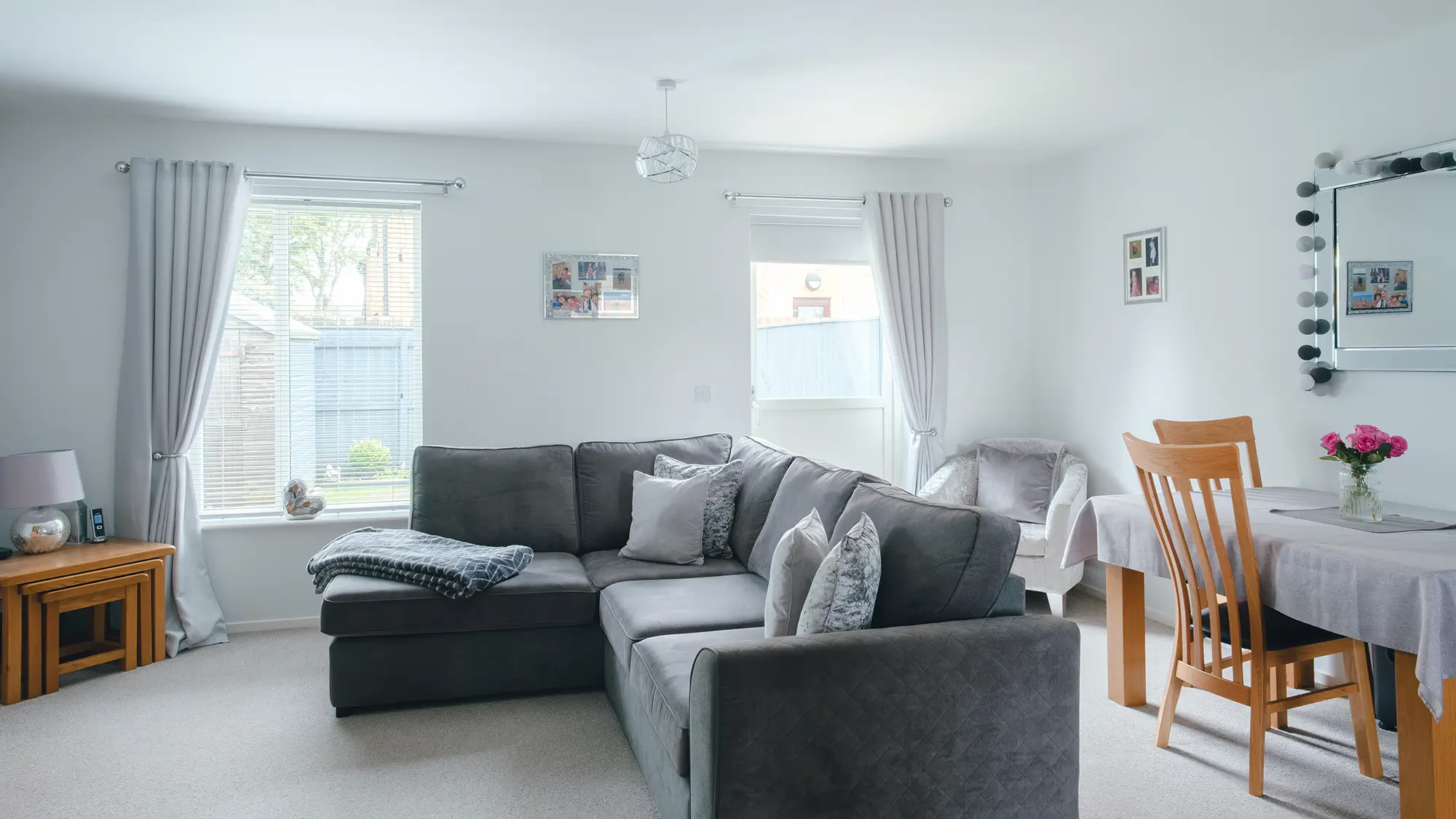
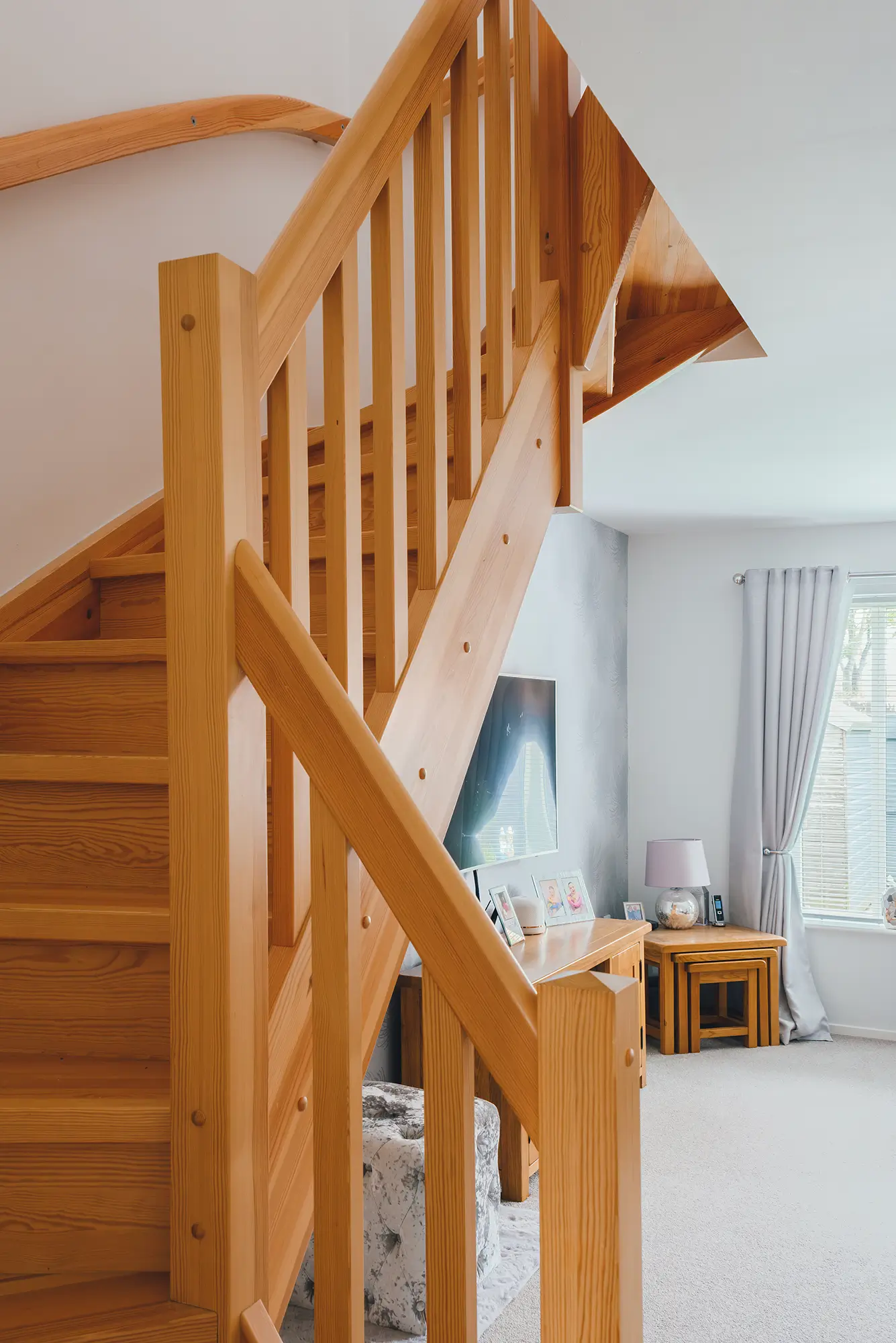
Inside, the houses are organised around a central open‑plan living area. The heart of each home is a cherry-wood stair that connects both floors, lending warmth and craftsmanship to the interior. Underfloor heating on the ground floor and low‑temperature radiators upstairs are zoned separately and can be controlled remotely via smartphone. Mechanical ventilation with heat recovery maintains fresh air without significant heat loss, and discreet ceiling vents provide continuous, quiet filtration.
The roofs integrate photovoltaic arrays that generate enough electricity to offset the homes’ remaining energy needs. Energy sources are adaptable to context: air‑source heat pumps or high‑efficiency gas boilers can be used depending on location, while renewable options are available to maximise energy savings and benefit from feed‑in tariffs. This flexibility demonstrates a practical approach to low‑carbon living across varied sites.

Result
Over the years, the Spacehus development has remained true to its original promise. The bright white facades and timber details have weathered well, and the homes continue to run with minimal heating demand. Residents report using the heating only briefly during the coldest months, thanks to the robust insulation and passive solar gain. The remote‑controlled systems provide convenience, and maintenance has been straightforward, with replacement parts easily fitted when needed. Even small quirks, such as outward‑opening doors and birds perching under the solar panels, have become part of the homes’ character. The success of these houses has demonstrated that compact, efficient homes can deliver comfort, affordability, and architectural quality.
People
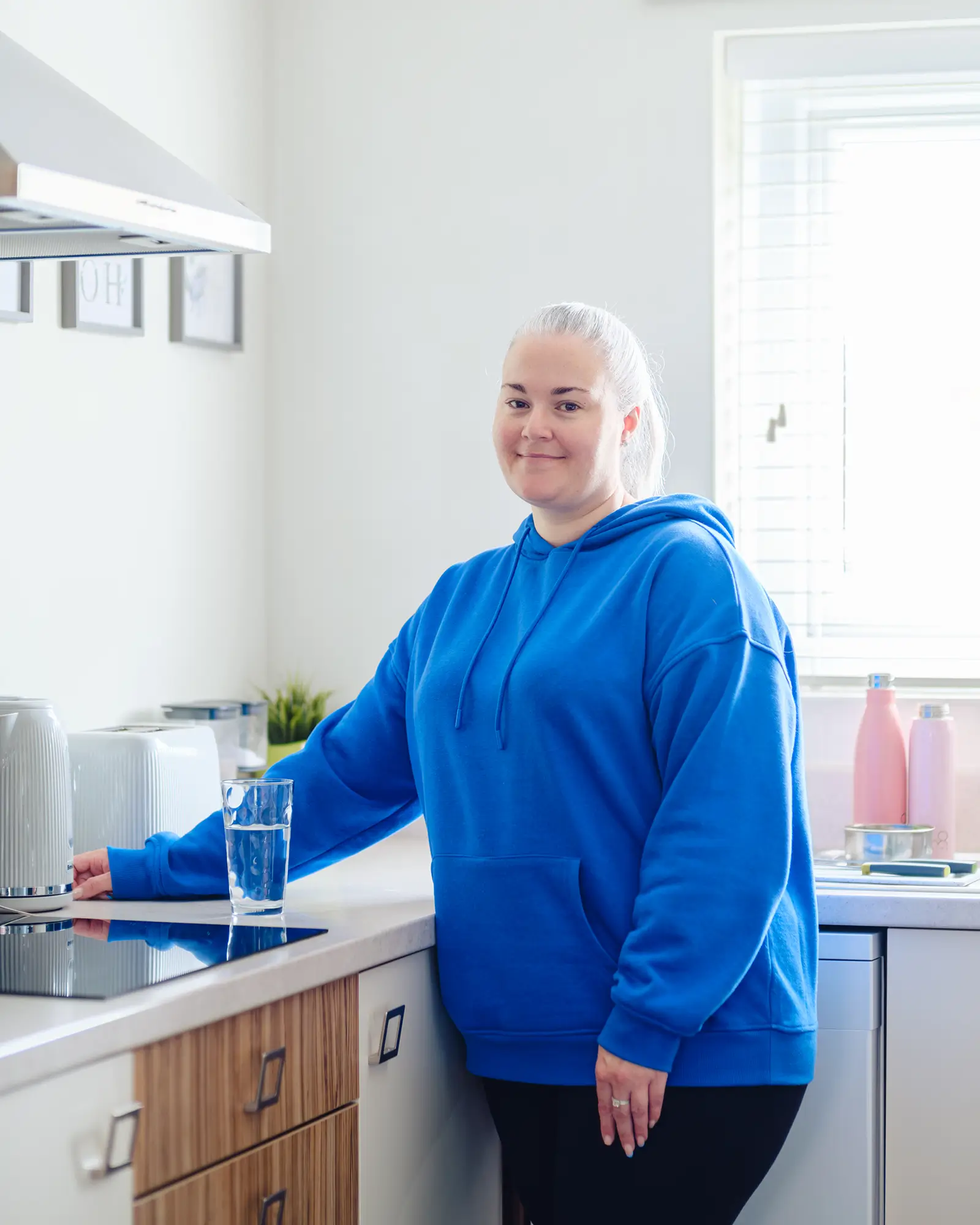
Its greatest impact is felt in the daily lives of its residentsSpacehus was conceived as a response to fuel poverty, and its greatest impact is felt in the daily lives of its residents. One resident, Katrina, describes her home as light, bright, and generous, praising the large triple‑glazed windows and the warmth of the timber stairs. She highlights the comfort provided by the underfloor heating and the ability to control it via her smartphone, noting that she rarely needs to turn on the system outside of winter. The ventilation system ensures fresh air and quiet indoor spaces despite the busy street outside. For Katrina and her family, the house feels welcoming and homely, offering stability and low living costs at a time of rising energy prices. Her experience exemplifies how thoughtful design can directly improve quality of life.
Planet
Conceived around a clear environmental ambitionSpacehus was conceived around a clear environmental ambition: to reduce energy demand and integrate renewable generation wherever possible. The modular timber construction minimises embodied carbon, while super-insulated walls and triple glazing virtually eliminate heat loss. When completed, these homes stood among the most advanced eco exemplars of their kind, pioneering techniques in airtight construction and renewable integration that were still uncommon in mainstream housing. Photovoltaic panels supply most of the homes’ electricity, reducing reliance on grid power and enabling tenants to benefit from feed-in tariffs. Flexible heating solutions, including air-source heat pumps and high-efficiency boilers, allow adaptation to different sites and future technologies. Together, these strategies demonstrate how small-scale residential developments can meaningfully advance decarbonisation goals while delivering tangible comfort and cost benefits to those who live there.
Place
The terrace feels both local and progressiveSpacehus sits within a densely populated residential area of Blyth, a town whose identity has long been tied to energy and industry. Once a centre for coal mining and shipbuilding, Blyth has since evolved into a hub for renewable technology, with its harbour, offshore wind farms, and research facilities leading the transition to low-carbon innovation. Within this context, the terrace feels both local and progressive: modest in scale yet quietly symbolic of change. Its crisp form and solar roofs signal a forward-looking attitude, while the maturing gardens soften its edges and embed it within the neighbourhood. For residents, Spacehus stands as a visible reminder of how sustainable design can enhance everyday life and reflect a community’s ability to adapt and renew.
Credits
- End User Northumberland County Council
- Project Lead Rob Charlton
- Design Team CAD21, JPG structural solutions, SPACE, Total electrical solutions, Trivselhus
- Sub-contractors Anthony Douglas Construction
- Photography Elliot Harris, Kristen McCluskie


